
 " />
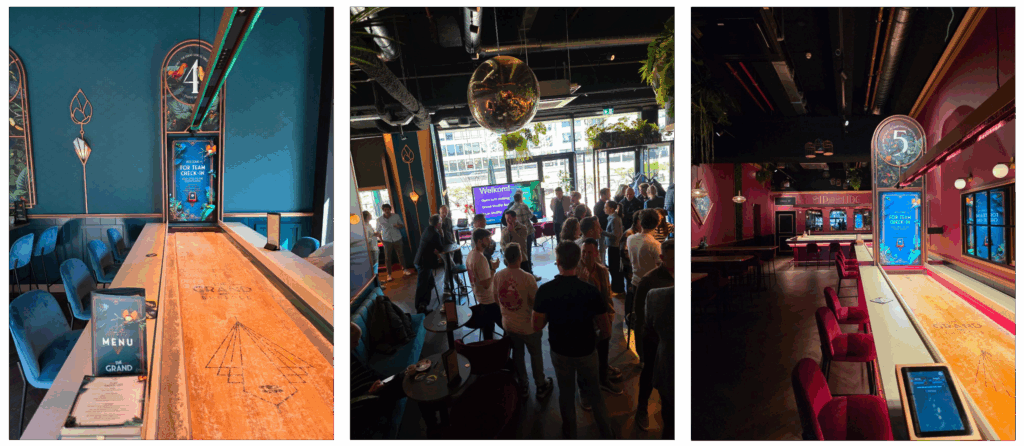
" />I was delighted to be the keynote speaker at a recent event in The Netherlands. Hosted by Shuffly and Pleisureworld, it looked at the future of social entertainment at the newly opened Grand Shuffle venue in Utrecht. My talk centered around the social gaming industry, tracing its origins through to the current state of the UK market, and what the future holds for the industry.
Here are some of the key takeaways from the session:
What is Competitive Socialising?
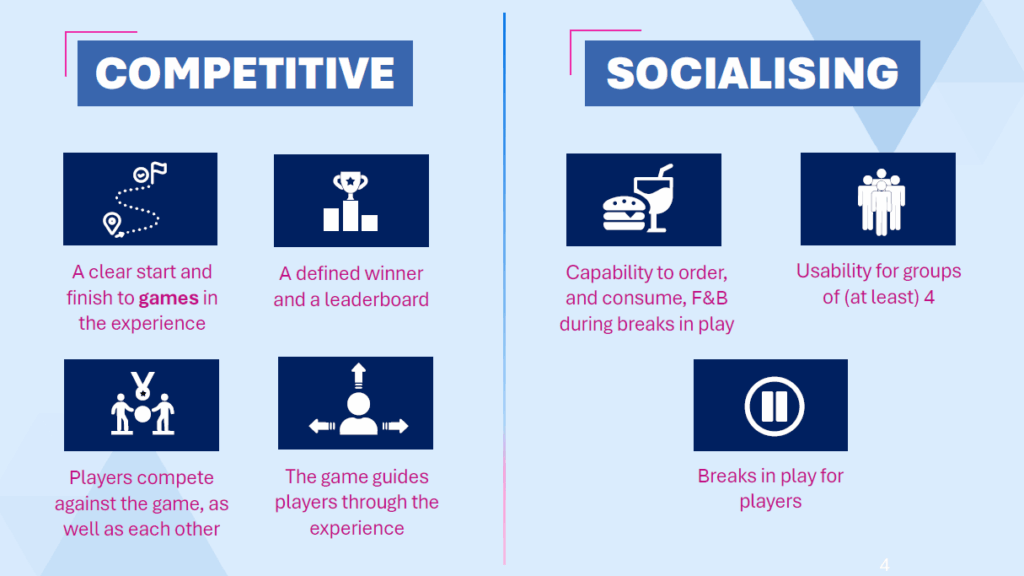
To truly qualify as “competitive socialising,” I believe that an activity must meet several criteria:
- Clear Structure: Games must have a defined start and finish.
- Competition: A leaderboard is essential to show who is winning and losing.
- Accessibility: Players must be able to compete against the game itself, not just the people they are playing against, ensuring enjoyment regardless of skill level. A novice should be able to score points and have fun.
- Guided Experience: The game’s technology must explain the rules and guide players, removing the need for prior knowledge.
- Food and Beverage Integration: The experience must be designed to allow for eating and drinking during natural breaks in play.
- Group Focused: The activity must accommodate groups, at least of four people.
- Breaks in Play: Crucially, there must be downtime between turns to allow for the “socialising” aspect.
The Gratification Loop
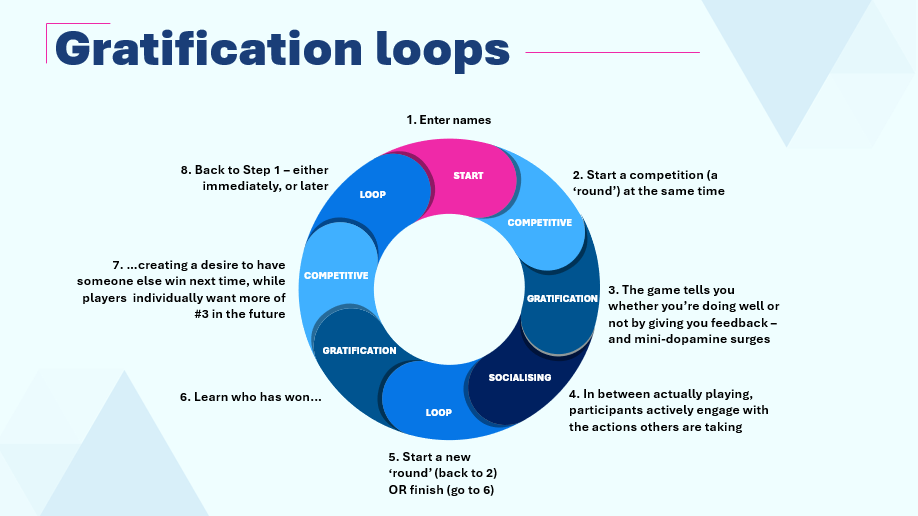
The success of these games lies in creating “gratification loops.” This is the cycle where a player takes a turn, receives immediate feedback and points (a “dopamine hit”), and then socialises while waiting for their next turn. This looping ensures continuous engagement and enjoyment for all players, regardless of their final score, before passing into the next loop of repeating the experience.
This repetition can take place immediately, after a short break, or on a future visit to the venue; equally, it can take place using the same activity, or a different activity. The key thing is that players want to repeat the experience in order to achieve a different result – and they feel that this different result is in reach – at the end of the day, they’re playing a game.
The Evolution of the Market
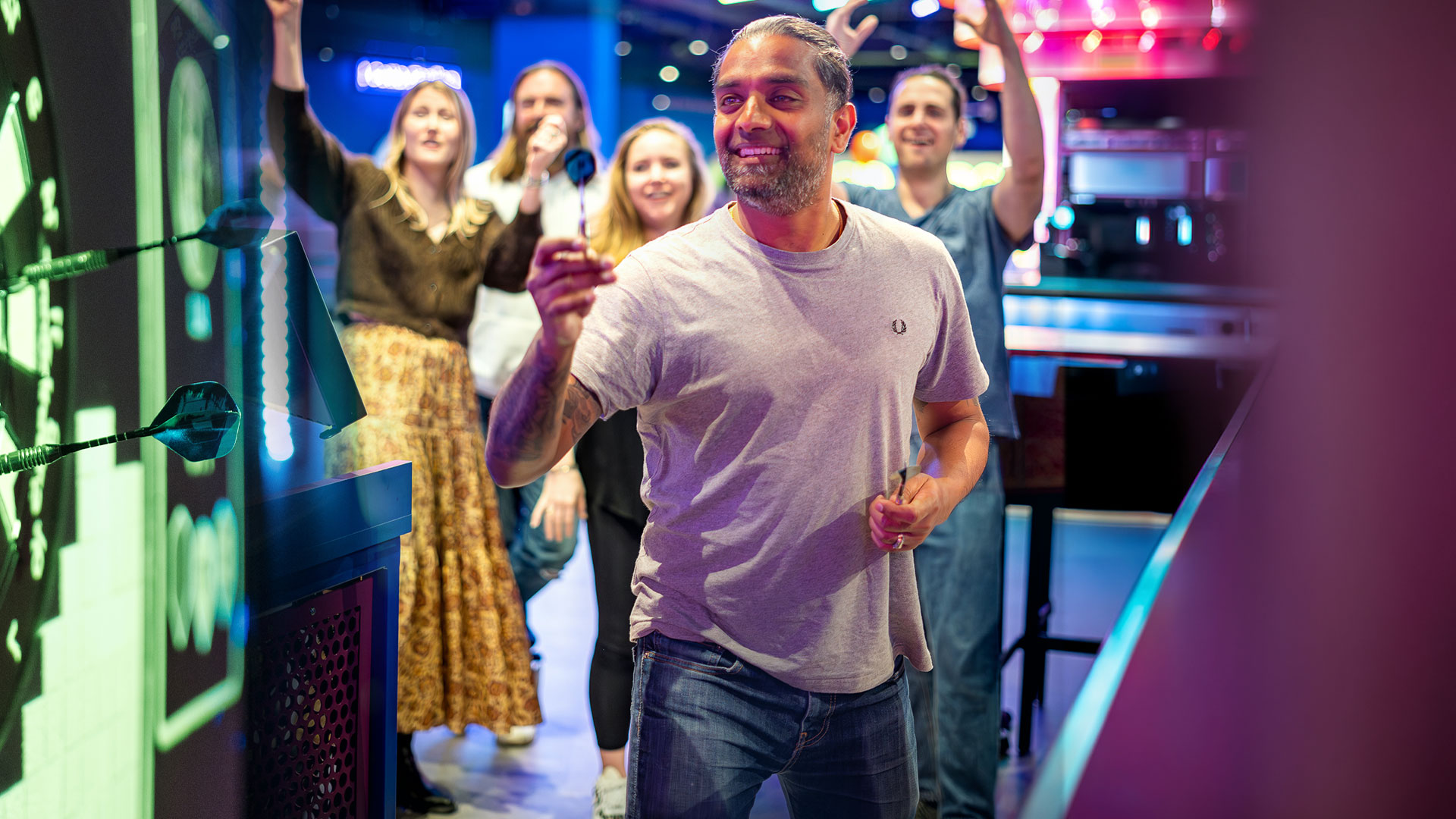
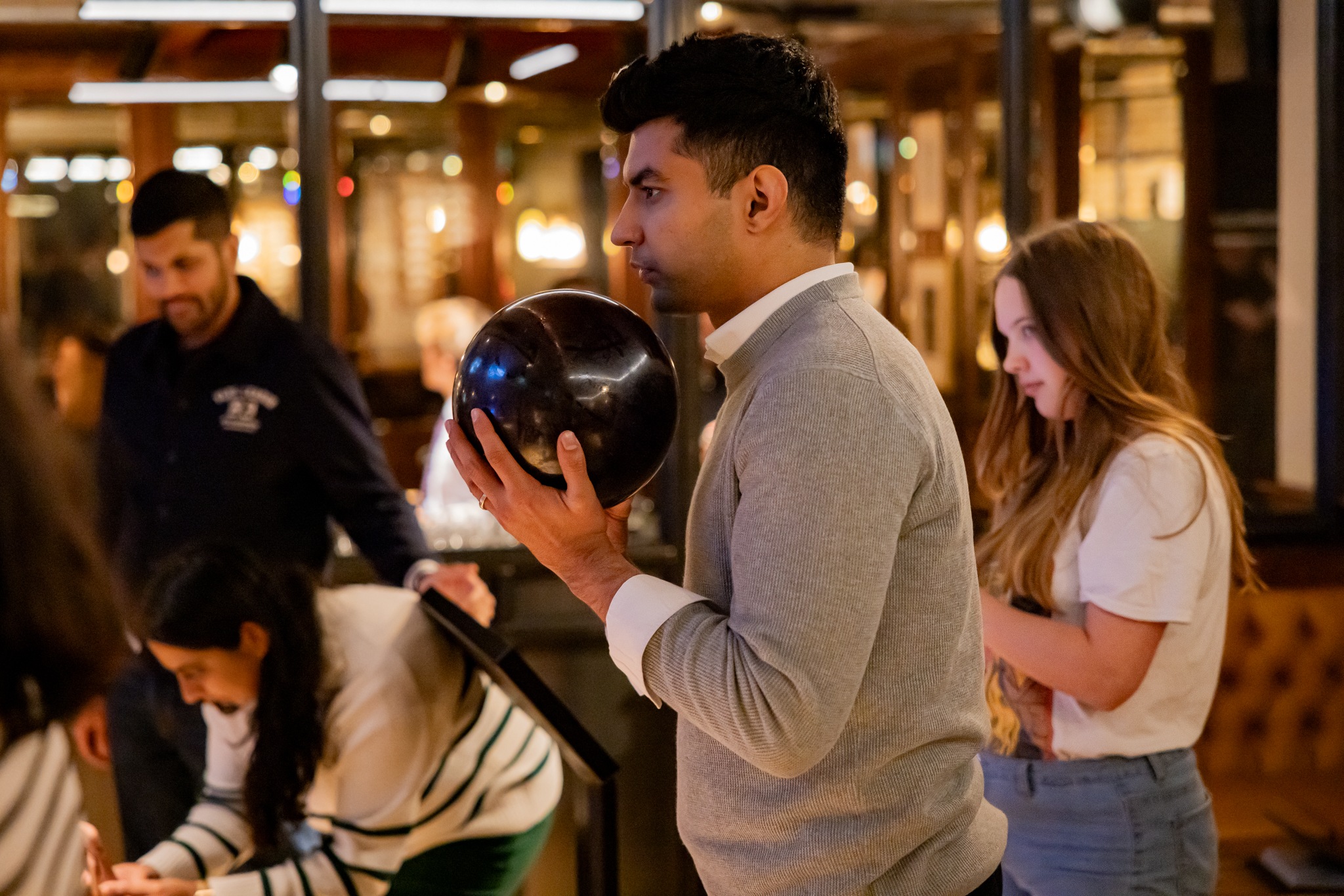
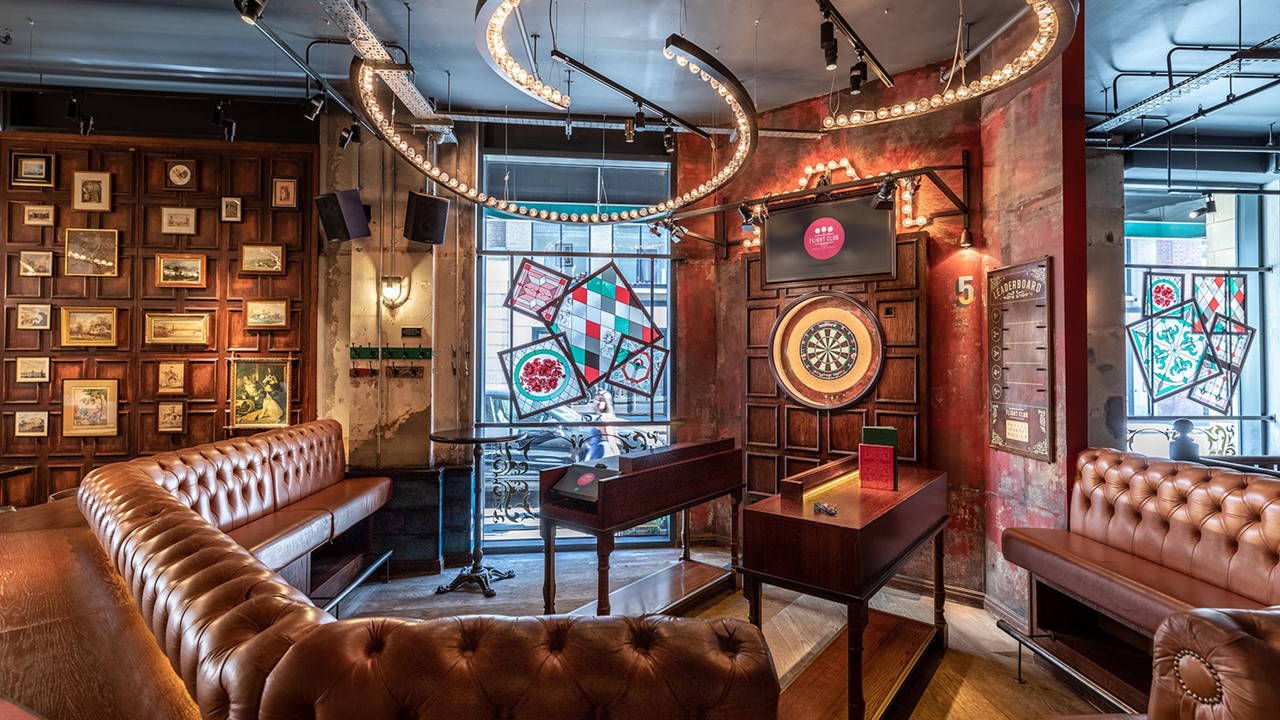
Origins: We generally consider Tenpin Bowling the first form of competitive socialising. However, the current explosion in interest really began with the launch of the first Flight Club in 2015, which combined a traditional game (darts) with technology and a premium bar environment.
Market Bifurcation: The UK market has split into two distinct models:
- Single-Activity Venues: (e.g., Flight Club, Clays). These are premium, high-end fit-outs in major cities, focusing on corporate clients with a proportionally high food and beverage spend. This demographic requirement, combined with a propensity to develop and own their own “fortressed IP” technology, can ultimately lead to slower rollouts.
- Multi-Activity Venues: (e.g., Lane7, Gravity Max). These venues tend to bundle several third-party games into one location. They are typically found in less premium city locations, and even smaller towns. These sites will feature comparatively cheaper fit-outs, and have a business model more balanced between activity revenue and F&B. These factors allow for more rapid expansion, and a stronger margin buffer against economic downturn.
This does though seem to require each territory to have an initial small number of ‘hero’ sites, offering a single activity with a high-quality F&B offering and fit out. These venues are particularly effective when deployed into business districts, allowing them to take advantage of corporate clients to mitigate the lack of revisit potential. These sites will act as live examples of the activities to both other operators and consumers and smooth the path to larger scale Multi-Activity venues to proliferate.
The Future of the Industry
We believe that these factors are leading the industry to move away from the single activity “fortress IP” model and towards a multi-activity, flexible focus, similar to the restaurant industry.
- Consolidation: The future lies in “competitive socialising centres” or “multi-activity bars” that house multiple games in a single building under one management team, mirroring the evolution of Family Entertainment Centres in the 2000’s UK market.
- Technology: Development is increasingly focused on providing cross-activity platforms that allow different games to “plug in” and work together seamlessly for reservations, reporting, and even whole-venue competitions. At the same time, games will dynamically adjust difficulty and length based on group size and skill to craft more complete experiences at each activity.
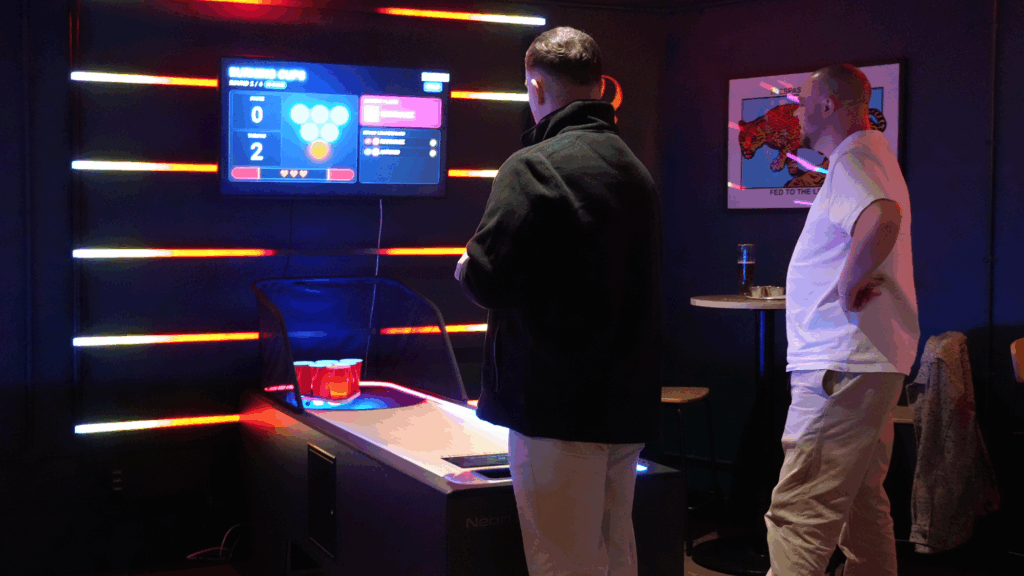
- Rapid Innovation: New game development is accelerating, with new concepts like Neon Pong and Arcade Bowls being created and deployed at pace. Simultaneously, geographic expansion is unearthing novel ideas for simple, addictive games to be augmented into the perfect Competitive Socialising activities.
Action Points for the Audience
- Embrace the Multi-Activity Model: Most operators should look to consolidate various activities under one roof. This lowers operating costs, increases revisit potential, and is more resilient to economic pressures.
- Focus on Operations, Not IP: The future competitive advantage will not be in owning proprietary technology (“fortress IP”), but in creating a repeateable operational model, brand, and customer experience. These sites will use third-party tech to enable faster and more capital-efficient rollouts.
- Target Provincial Towns: Significant opportunities exist outside of major metropolitan areas. Cheaper property, less competition, and a proven business model make secondary towns and cities prime for expansion.
- Prioritise the Core Principles: When designing or selecting a game, ensure it fits the criteria for the best Competitive Socialising products.
- Prepare for New Technology: Stay aware of emerging cross-activity control systems and new game concepts. The ability to integrate new, innovative activities quickly and efficiently will be key to keeping offerings fresh and attracting repeat customers.
If you’d like a copy of the full presentation from the event, just drop us a message via the contact form.